Usage
Copper Peptide Serum vs Cream: Which Should You Pick?
The practical differences between copper peptide serums and creams, how they fit a routine, and which format suits different skin types.
Last updated · Reviewed by the PeptideGHK editorial team
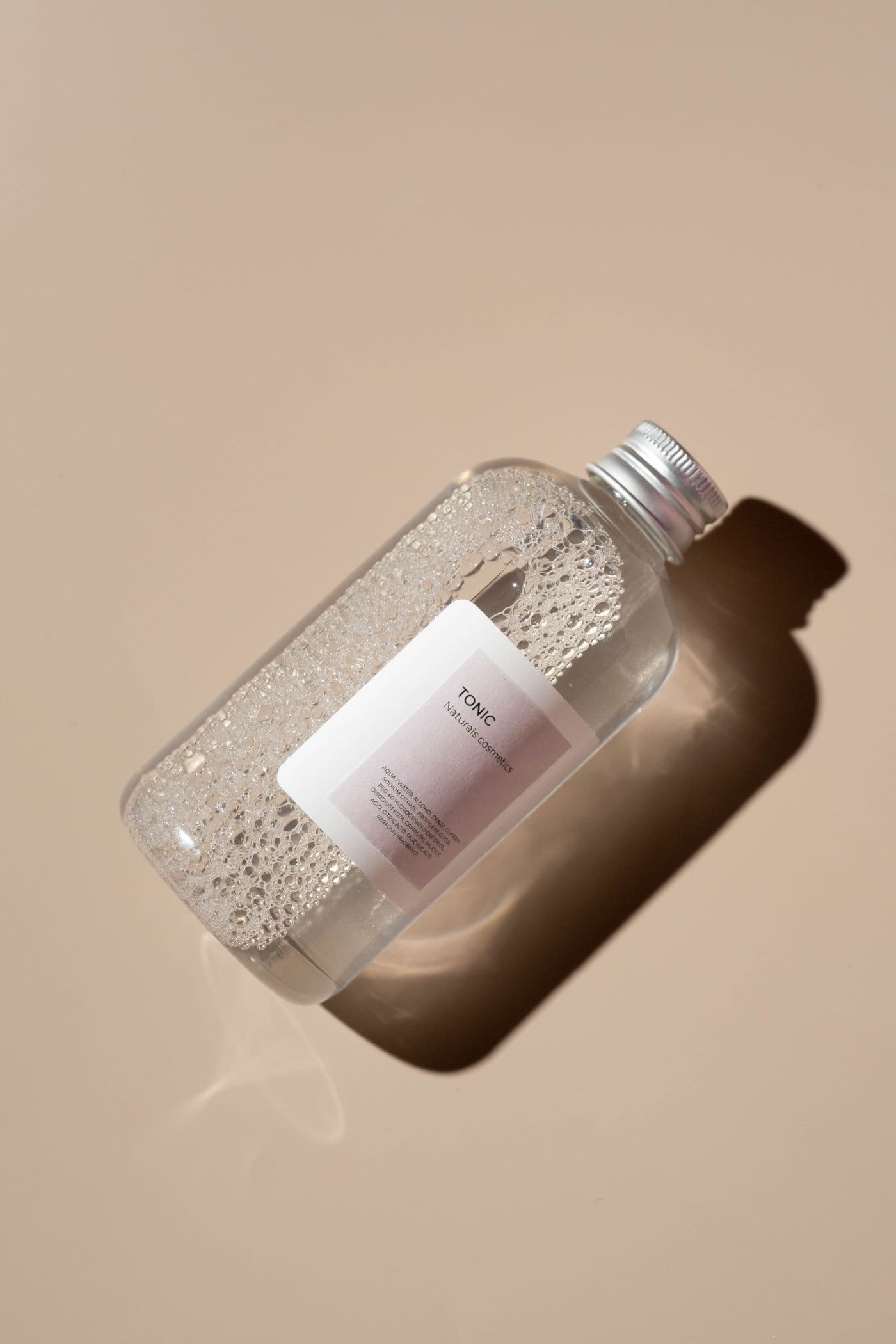
Copper peptides show up in two common formats: lightweight serums and richer creams. If you are trying to decide between them, it helps to know that this is a choice about texture and routine fit, not about one being stronger or more effective than the other. This guide compares how serums and creams feel, where each sits in a routine, and how to pick the format that suits your skin.
Both can hold the same kind of ingredient. The difference is mostly in how they wear and how they layer.
Short answer
The quick take
The main difference is feel. A serum is thinner and more concentrated, so it spreads easily and disappears quickly. A cream carries more of the moisturizing base that leaves skin feeling cushioned. Because they behave differently, they slot into a routine at slightly different points, which the sections below break down.
For background on the ingredient that both formats can share, see our guide to copper peptides for skin.
What a serum brings
A serum is the lighter of the two. It is usually water-based or lightweight, more concentrated, and quick to absorb. That makes it easy to layer early in a routine, right after cleansing and before heavier products. People who like a light finish, or who already use a separate moisturizer they are happy with, often lean toward a serum.
Serums also play nicely with layering. Since they go on thin, they leave room for a moisturizer and, in the morning, sunscreen on top. If you want the full order, our copper peptide serum routine guide walks through it.
What a cream brings
A cream is richer. It carries more of the emollients and occlusives that make skin feel moisturized, so it can double as part of your moisturizing step rather than an extra layer under one. People with drier skin, or anyone who prefers fewer products, sometimes find a cream more practical because it combines the active ingredient with a moisturizing base.
The trade-off is that a cream feels heavier and absorbs more slowly than a serum. For some skin types that cushioning is exactly the point. For others, especially oilier or combination skin, it can feel like more than they want.
Serum vs cream at a glance
Here is a side-by-side to make the differences easier to scan. None of this makes one format better, it just shows how they differ.
| Feature | Serum | Cream |
|---|---|---|
| Texture | Light, thin, often more concentrated | Richer, more emollient |
| Best for | Oily, combination, or those wanting a light finish | Dry skin or anyone who prefers fewer products |
| Absorption and layering | Absorbs quickly, easy to layer under other steps | Sits richer, absorbs more slowly |
| Typical routine spot | Early, after cleansing and before heavier steps | Later, near or as the moisturizer step |
Some people even use both, applying the lighter serum first and a cream after to seal it in. If you go that route, easing in is sensible when both products contain active ingredients.
How to choose for your skin
Start with how your skin usually feels. If it runs dry or you like a cushioned finish, a cream, or a serum under a rich moisturizer, may suit you. If it runs oily or you prefer a light feel and easy layering, a serum on its own is often the simpler pick. Neither choice is a mistake, and you can switch if the first format does not feel right.
Whatever you choose, patch test a new product first and build up slowly. If you use either format in the morning, finish with broad-spectrum sunscreen as the last step. And if you are unsure which suits your skin, consider checking with a skincare professional. New to copper peptides? Our beginner guide is a friendly place to begin.
Frequently asked questions
Is a copper peptide serum better than a cream?
Neither is better in a general sense. A serum is usually lighter and more concentrated, while a cream adds more moisture. The right pick depends on your skin type, the rest of your routine, and personal preference, not on one format being superior.
Can I use both a copper peptide serum and a cream?
Some people do. A common approach is to apply the lighter serum first, then follow with a cream to seal it in. If both contain active ingredients, easing in and watching how your skin responds is sensible rather than starting with everything at once.
Which is better for dry skin?
People with drier skin often gravitate toward a cream, or toward a serum layered under a rich moisturizer, since creams add more of the cushioning that dry skin often wants. Oilier or combination skin sometimes prefers the lighter feel of a serum on its own.
Does a serum work faster than a cream?
Format is more about texture and feel than a promise of speed. A serum usually absorbs quickly and layers easily, while a cream sits a little richer. Consistency and the overall routine matter more than the format for the appearance-focused benefits people look for.
Do I still need sunscreen with either one in the morning?
Yes. Whether you use a serum or a cream in the morning, any daytime routine benefits from broad-spectrum sunscreen as the final step. Sunscreen is not replaced by a serum or a moisturizer.