Comparisons
Copper Peptides vs Vitamin C: Differences and How to Use Both
How copper peptides and vitamin C differ, whether the old advice about keeping them apart still holds, and how to fit both into a routine.
Last updated · Reviewed by the PeptideGHK editorial team

Copper peptides and vitamin C both show up in serums aimed at healthier-looking skin, and a lot of people wonder whether they compete, clash, or complement each other. They are different ingredients with different reputations, and the answer to "which is better" is rarely one or the other. This guide walks through what each is known for, where they differ, and the debated advice about keeping them apart.
Short answer
What each ingredient is known for
Vitamin C is an antioxidant that has been a skincare staple for years. In cosmetic use it is most associated with the appearance of a brighter, more even-looking tone, and it often turns up in morning routines alongside sunscreen. It comes in several forms, some more acidic and active-feeling than others, which is one reason products can behave quite differently from each other.
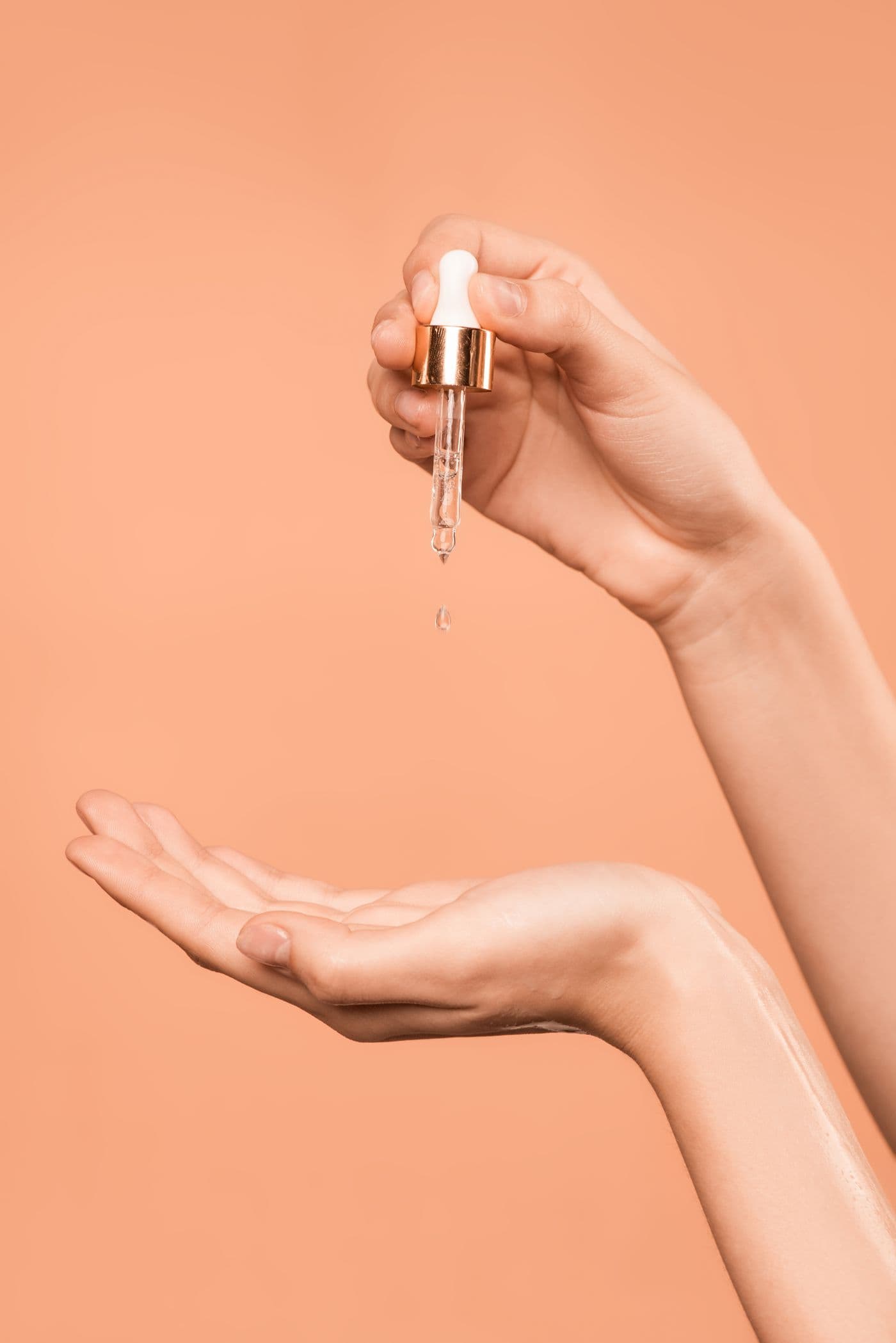
Copper peptides are usually the form known as GHK-Cu, listed as Copper Tripeptide-1 on ingredient labels. For a deeper primer on the ingredient itself, see our guide to what GHK-Cu is. In cosmetic terms they are discussed around the look of firmer, smoother, more even skin, and they are often described as gentle enough for everyday use.
How they differ
The table below sums up the practical differences people ask about most. Read it as a general orientation, since individual products and individual skin vary.
| Feature | Copper peptides | Vitamin C |
|---|---|---|
| Main purpose | Often chosen for the appearance of firmer, smoother skin | Often chosen for the appearance of a brighter, even tone |
| Beginner friendliness | Generally considered easy to start with | Gentle forms are approachable; stronger acidic forms less so |
| Common sensitivity risk | Typically low, though reactions are still possible | Acidic forms can feel active on reactive skin |
| Best routine timing | Morning or night, depending on the product | Commonly used in the morning with sunscreen |
| Product types | Mostly serums, sometimes creams | Serums, creams, and powders |
The old advice about mixing them
You have probably seen the warning: do not use copper peptides and vitamin C together. The reasoning was that a low-pH vitamin C sitting in the same layer as copper peptides could affect how the peptides behave. It is a debated point, and much of it comes down to the specific formulations rather than a blanket truth about every product.
Formulas have also moved on. Some vitamin C products are far less acidic than the classic versions, and some copper peptide serums are built with layering in mind. Rather than treat the old rule as gospel, it helps to think of it as a reason to be a little thoughtful about how you combine the two, especially in the same step.
How to use both without the guesswork
If you want the benefits people associate with both ingredients, the simplest fix is to separate them by time of day. Vitamin C in the morning, copper peptides at night is a routine many people settle on, and it sidesteps the whole layering question. Alternating days is another option if you prefer.
If you would rather use both in one sitting, apply the thinner product first, give it a minute to settle, then follow with the other. For a step-by-step look at where a copper peptide serum fits among cleansers, moisturizers, and sunscreen, see our copper peptide serum routine guide. Introduce one new product at a time so you can tell how your skin responds, and patch test before committing to a fresh pairing.
How to choose based on skin goals
Instead of asking which ingredient wins, it is more useful to match the choice to what you want and how your skin behaves.
- If brightness is your focus: vitamin C is the more established choice for the appearance of an even, radiant-looking tone.
- If firmness and smoothness are your goals: copper peptides may suit that appearance goal, often with a gentle feel.
- If your skin is easily irritated: a gentle vitamin C form or copper peptides may feel more comfortable than a strong acidic serum, though patch testing is wise either way.
- If you like simple routines: pick one, give it time, and add the other later once you know how your skin reacts.
There is no obligation to pick a side. If you are also weighing other actives, our look at copper peptides vs retinol covers a similar comparison. Whichever route you take, go slowly, watch how your skin looks and feels, and keep the rest of your routine simple.
Frequently asked questions
Can you use copper peptides and vitamin C together?
Many people do, though the old advice was to keep them apart. The concern was that vitamin C, an acidic ingredient, might affect copper peptides in the same layer. Modern formulations vary a lot, so a safe approach is to separate them, for example vitamin C in the morning and copper peptides at night, if you are unsure how your products interact.
Is vitamin C or copper peptides better for brightening?
Vitamin C is the more established choice for the appearance of a brighter, more even-looking tone. Copper peptides are usually discussed around the look of firmer, smoother skin rather than brightening specifically. They target overlapping but different appearance goals, so neither is a universal winner.
Why did people say not to mix copper peptides and vitamin C?
The caution came from the idea that copper peptides and a low-pH vitamin C could interfere with each other when layered directly. It is debated and depends heavily on the exact formulas. Rather than treat it as a hard rule, many people simply use the two at different times of day.
Which should I apply first if I use both in one routine?
A common approach is to apply the thinner, more acidic product first, let it settle, then follow with the other. If you would rather not think about the order at all, splitting them between morning and night removes the question. Patch testing a new pairing is sensible either way.
Is one gentler than the other for sensitive skin?
Copper peptides are often described as gentle, while vitamin C, especially stronger acidic forms, can feel more active on reactive skin. Any ingredient can cause a reaction, so introduce one at a time and pay attention to how your skin looks and feels.